


• Welcome to your new Gnomio site

    Now, you are in control!

    Moodle is an open-source Learning Management System (LMS) that provides educators with the tools and features to create and manage online courses. It allows educators to organize course materials, create quizzes and assignments, host discussion forums, and track student progress. Moodle is highly flexible and can be customized to meet the specific needs of different institutions and learning environments.

    Moodle supports both synchronous and asynchronous learning environments, enabling educators to host live webinars, video conferences, and chat sessions, as well as providing a variety of tools that support self-paced learning, including videos, interactive quizzes, and discussion forums. The platform also integrates with other tools and systems, such as Google Apps and plagiarism detection software, to provide a seamless learning experience.

    Moodle is widely used in educational institutions, including universities, K-12 schools, and corporate training programs. It is well-suited to online and blended learning environments and distance education programs. Additionally, Moodle's accessibility features make it a popular choice for learners with disabilities, ensuring that courses are inclusive and accessible to all learners.

    The Moodle community is an active group of users, developers, and educators who contribute to the platform's development and improvement. The community provides support, resources, and documentation for users, as well as a forum for sharing ideas and best practices. Moodle releases regular updates and improvements, ensuring that the platform remains up-to-date with the latest technologies and best practices.

    Links of interest:

    (You can edit or remove this text)

Available courses

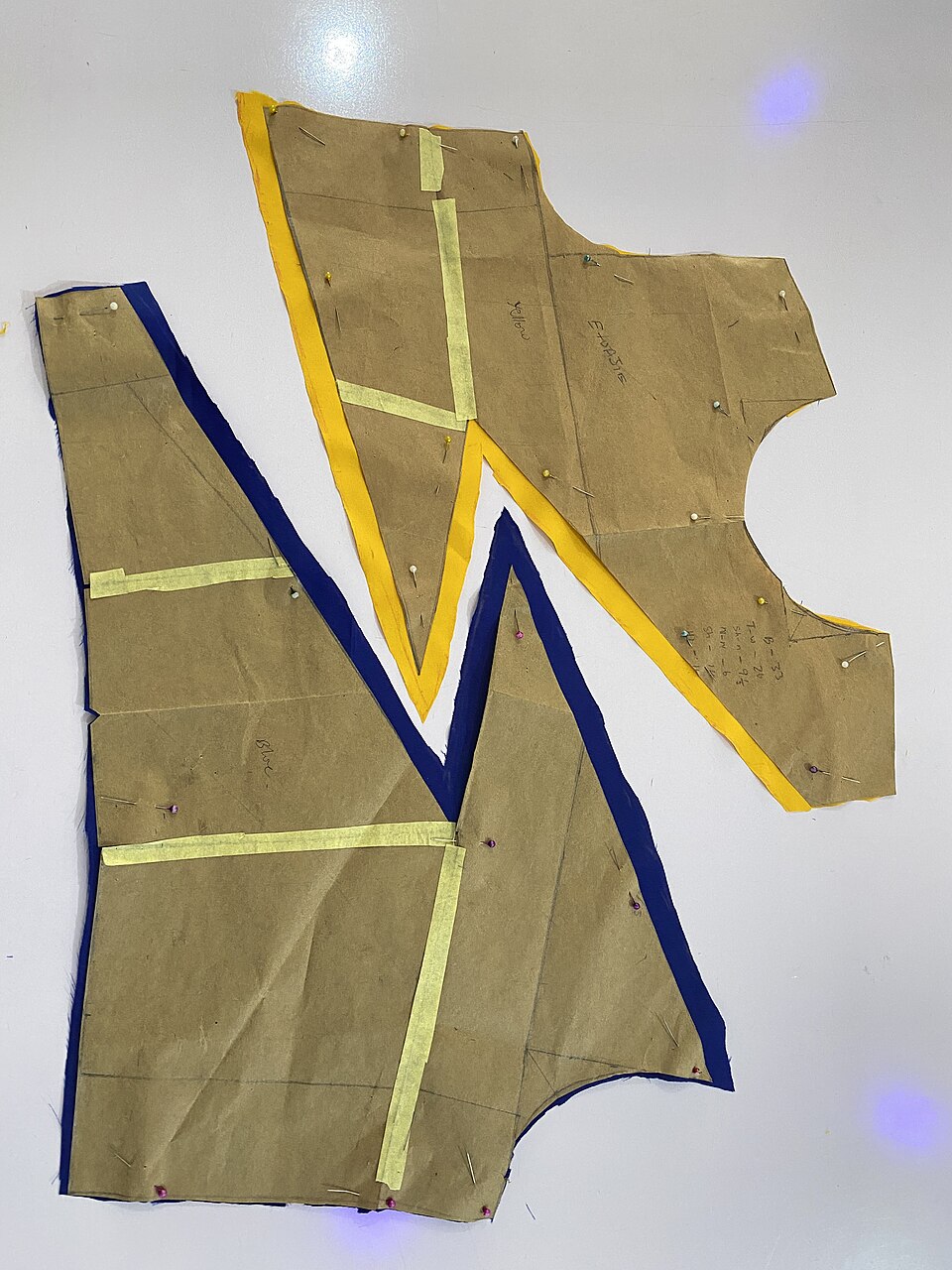
he Fashion Design and Textiles course provides students with a comprehensive foundation in the creative, technical, and practical aspects of the fashion industry. Blending artistic expression with hands-on skills, this course introduces learners to the principles of design, textile science, garment construction, and contemporary fashion practices.

Educational Psychology in TVET is designed to provide trainee teachers and instructors in Technical and Vocational Education and Training (TVET) programs with a deep understanding of how learners think, develop, and acquire skills. The course explores psychological principles, theories of learning, human development, motivation, and individual differences, with a focus on their application in practical, skills-based and competency-based training environments.

Students will examine how cognitive, behavioral, and socio-cultural theories inform teaching strategies in workshops, laboratories, and vocational classrooms. Emphasis is placed on understanding learners in diverse TVET settings, managing learning environments, promoting positive attitudes toward practical work, and supporting trainees with varying abilities and backgrounds.

The course equips future TVET educators with the knowledge and skills to design learner-centered instruction, select appropriate training methods, assess learning effectively, and foster motivation, problem-solving, and employability skills. By the end of the course, students will be able to apply educational psychology principles to enhance performance, retention, and overall learning outcomes in technical and vocational programs.


The Essential Skills Unit is designed to equip students with foundational skills necessary for effective practice in social work and related disciplines. This unit focuses on key competencies that enhance the ability to assess, intervene, and advocate for individuals, families, and communities.